Working on behalf of an organisation? View our institutional services

Art helps to express parts of the brain that words cannot

Art therapy is focused on the journey, not the destination. This process may help with:

  • Building resilience
  • Emotional regulation
  • Self Esteem
  • Self Discovery
  • Processing past trauma
  • Reducing symptoms of anxiety and depression
  • Finding healthy coping mechanisms

This safe space allows you to relax and explore with a guiding and supporting set of hands.

No art experience necessary

Materials to explore with: Watercolour/Acryllic paints, collage, clay, pencil, soft and oil pastels, digital, fabrics and more
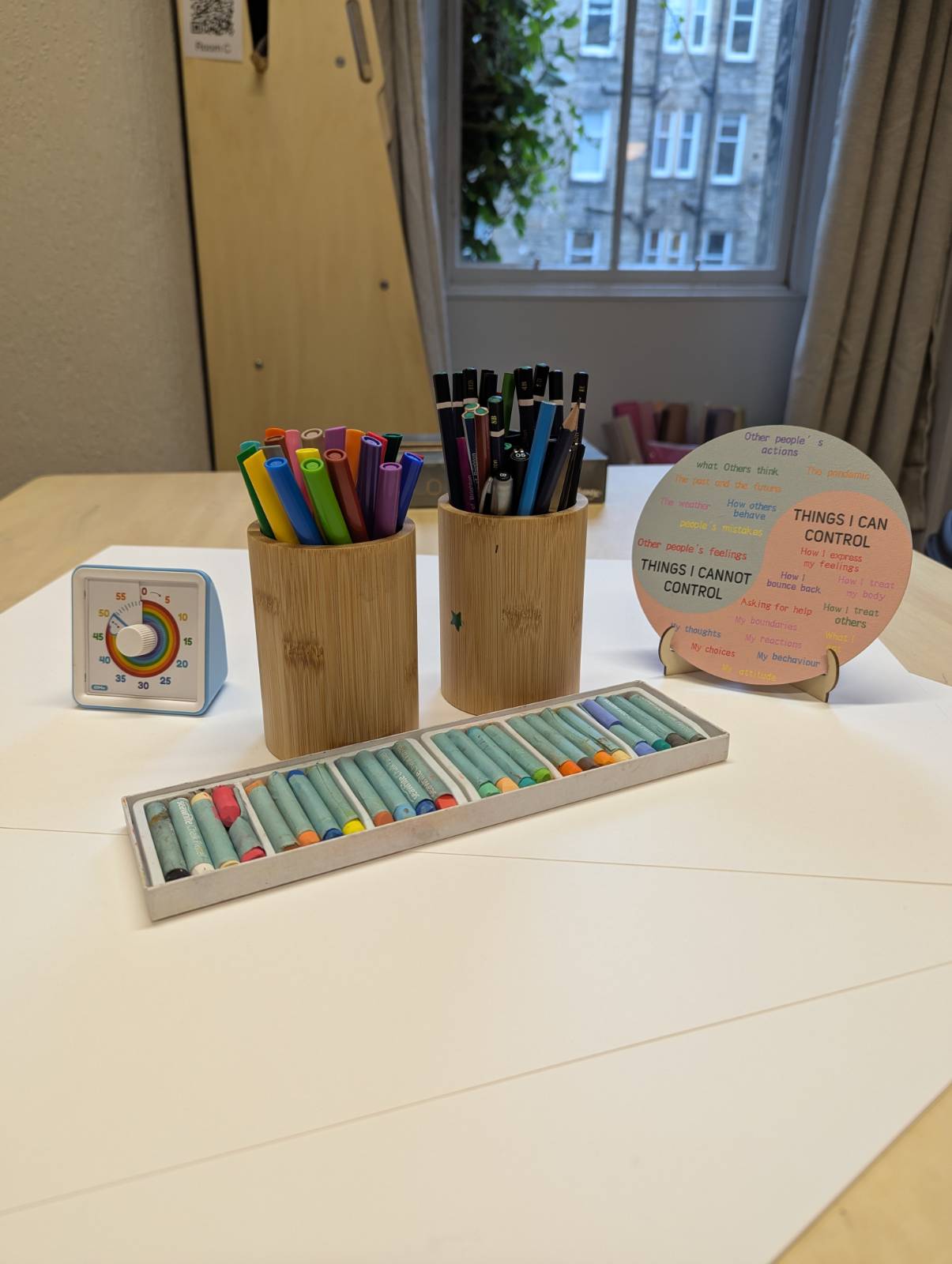
Photo of art materials
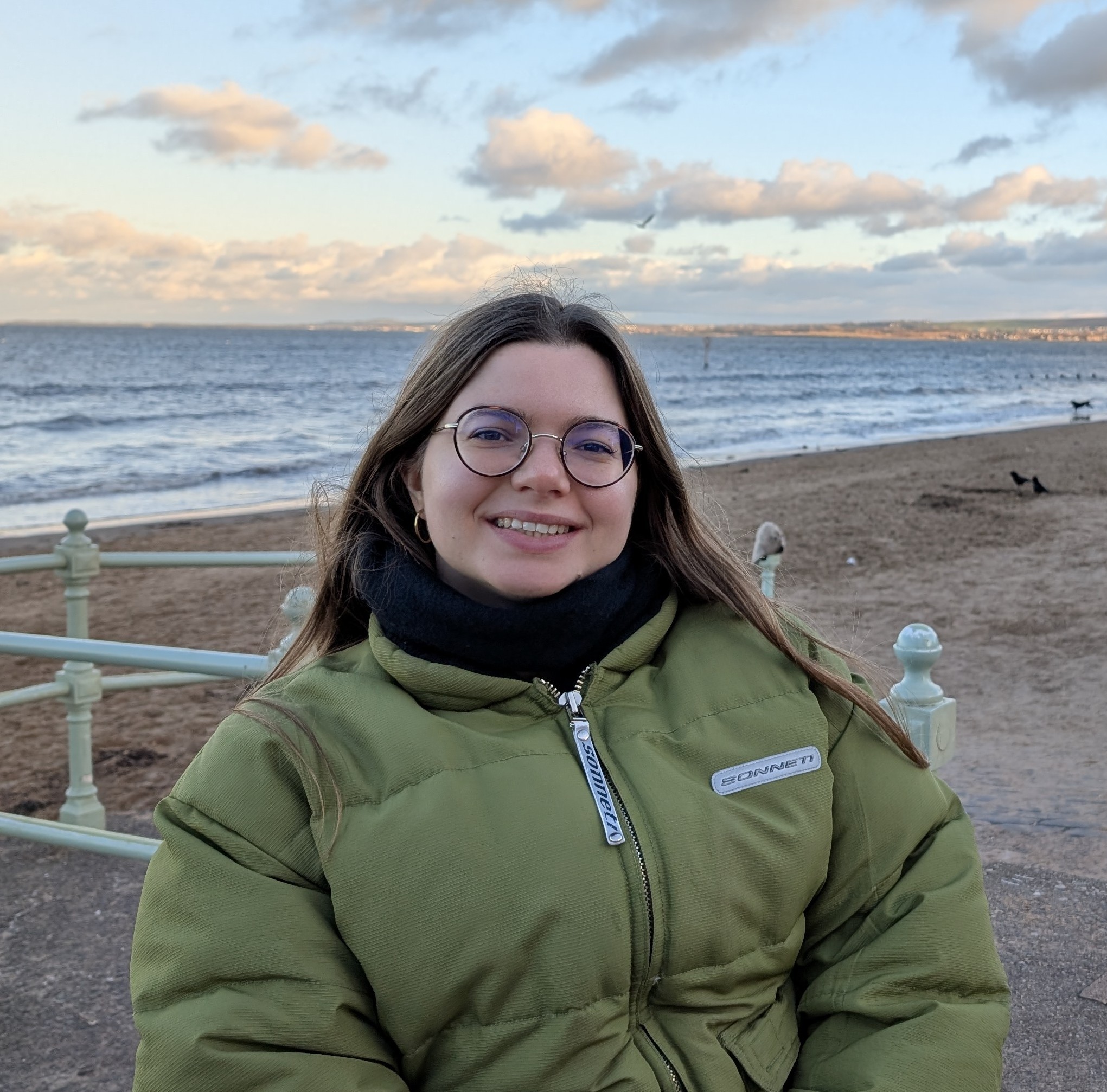
Photo of Raphie

About Raphie

“I focus on holistic techniques, which means you are the expert of your own lived experience, and you set the pace of your sessions.”
BAAT Logo HCPC Registered Logo

Location


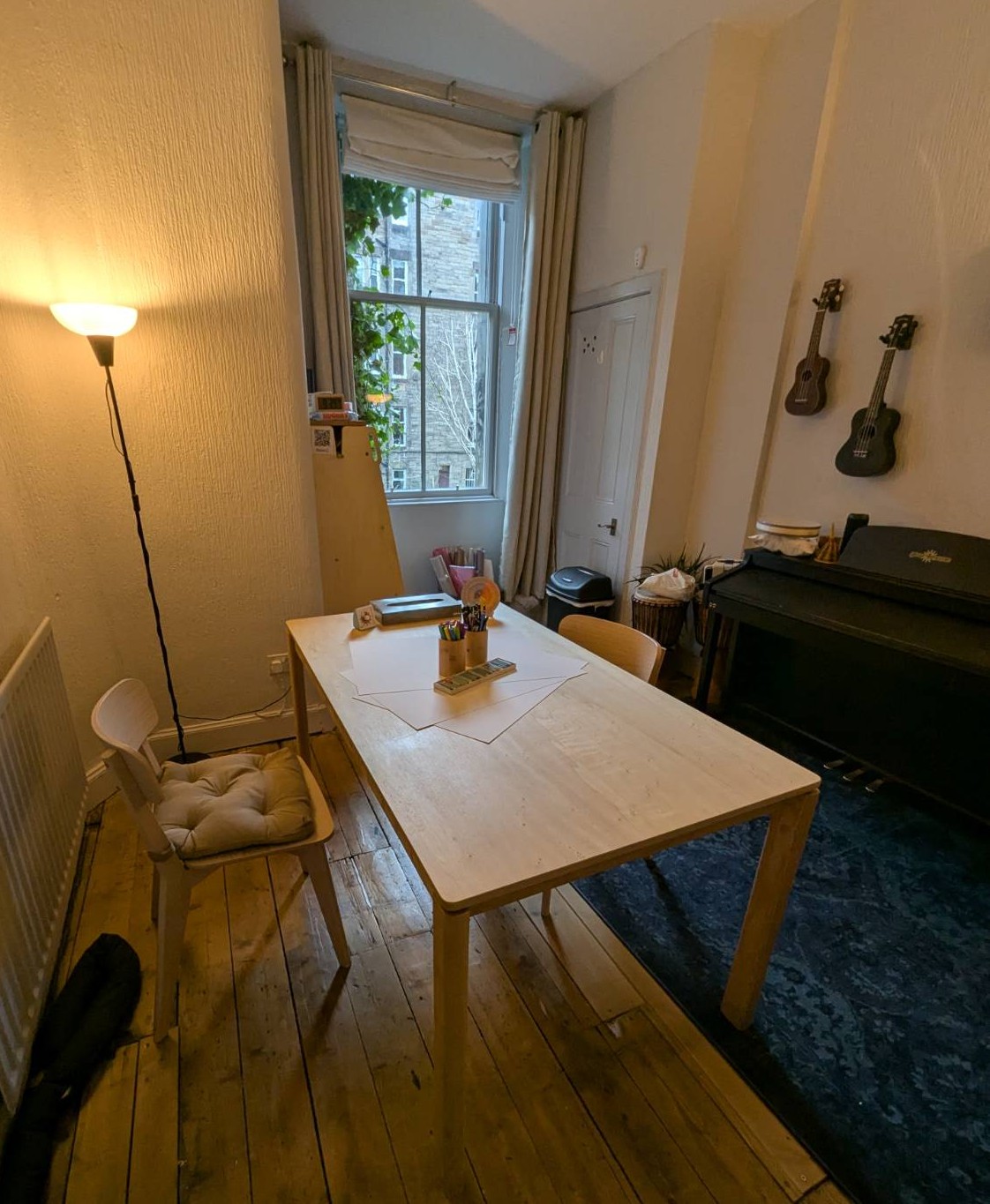
Creative Art Therapy Space


Easter Road

(Bus routes 1, 7, 35)


Comfortable space with a garden view

Please note that I don’t work on-site full-time, so all visits are by appointment only.


Coming soon: Online sessions
Photo of therapy space

Frequently Asked Questions

For Participants

What is art therapy?

It is a form of psychotherapy that uses art-making as its primary mode of communication. It allows you to express thoughts and feelings that might be difficult to put into words, guided by a trained therapist.

Do I need experience in art making?

Absolutely not. The focus is on the process and expression, not the final product. You don't need to be "good at art" to benefit from the sessions.

Do I need to talk?

No, you can express yourself through art as much or as little as you wish.

What does a session look like?

A typical 50-minute session involves a check-in, a period of art-making (at your own pace), and a time to reflect together on the images or the process if you feel comfortable doing so.

Is this going to be awkward?

Most people feel nervous at first, but sessions are relaxed and at your pace.

For Friends & Family

Privacy & Confidentiality

Nothing is shared outside of sessions unless there is a risk of harm. Showing of artwork is always the participant's choice. This is important for maintaining a trusting environment.

Who can benefit from art therapy?

Anyone experiencing emotional distress, trauma, or life transitions. It is particularly effective for those who find traditional "talk therapy" intimidating or insufficient.

How can I encourage someone to try art therapy?

Be sure not to force anyone into therapy - it only works when the participant is ready. Instead, share information about its benefits and offer support if they express interest.

Do you provide the materials?

Yes, all professional-grade art materials—including paints, clay, collage, and drawing tools—are provided during our in-person sessions.

Enquire

To enquire or book, please send an email to raphie.art-psychotherapy@proton.me. Send Email